
Why Clean Hair Holds Moisture Better
Healthy hair doesn’t start with a style—it starts with understanding. Scalp to Strand was created to educate you on the foundation of hair health, so you can maintain results between salon visits and build habits that support long-term growth.
One of the biggest myths in haircare is that “dirty hair grows better.”
Let’s clear that up.
Scientific evidence supports what professionals have always known: a clean scalp is the foundation for healthy hair growth. A dirty scalp doesn’t promote growth—it can actually slow it down.

🌱 Why a Dirty Scalp Can Inhibit Growth
When oil (sebum), sweat, dead skin cells, and product residue build up on the scalp, several things happen:
1. Follicle Blockage
Buildup can clog hair follicles, preventing new hair from emerging properly. Over time, this can cause inflammation (like folliculitis), increased shedding, and weaker strands.
2. The “Dirty Hair Grows” Myth
There is no scientific evidence that skipping shampoo makes hair grow faster or thicker. In fact, long-term scalp neglect can create a pro-inflammatory environment that weakens the root.
3. Long-Term Damage
Missing one wash won’t ruin your hair. But chronic buildup can weaken strands, increase brittleness, and lead to breakage before hair ever reaches its full length.
💧 Why Clean Hair Holds Moisture Better
Clean hair absorbs water better—period.
Here’s the science:
Removal of Hydrophobic Barriers
Oils, silicones, waxes, and product residue are hydrophobic (water-repelling). When they accumulate, they create a film around the hair shaft that blocks water from entering.
If water can’t enter, hair can’t be properly moisturized.
Cuticle Accessibility
For hair to be hydrated, water must penetrate beyond the surface and reach the inner layers (cortex). When buildup coats the hair, it acts like glue—blocking that pathway.
Clarifying removes those barriers so water can do its job.
The “Lid on a Jar” Effect
If you apply oil to dry hair, you’re sealing dryness in.
Cleansing removes the “lid” so the hair can be refilled with moisture during washing and the oil will then seal the moisture in the hair.
Artificial Low Porosity
Buildup can make healthy hair behave like it’s resistant to moisture. Regular cleansing allows your natural porosity to function properly.

⚖️ What About “Stripping”?
Cleaning is essential—but balance matters.
The goal is to:
✔ Remove external buildup
✔ Preserve internal moisture
Most quality shampoos are formulated at a slightly acidic pH (4.5–5.5), helping the cuticle stay smooth and retain water after cleansing.
🚩 Ingredients That Can Cause Moisture-Blocking Buildup
Over time, certain ingredients can create a coating that prevents hydration:
Non-Water-Soluble Silicones
Examples: Dimethicone, Amodimethicone
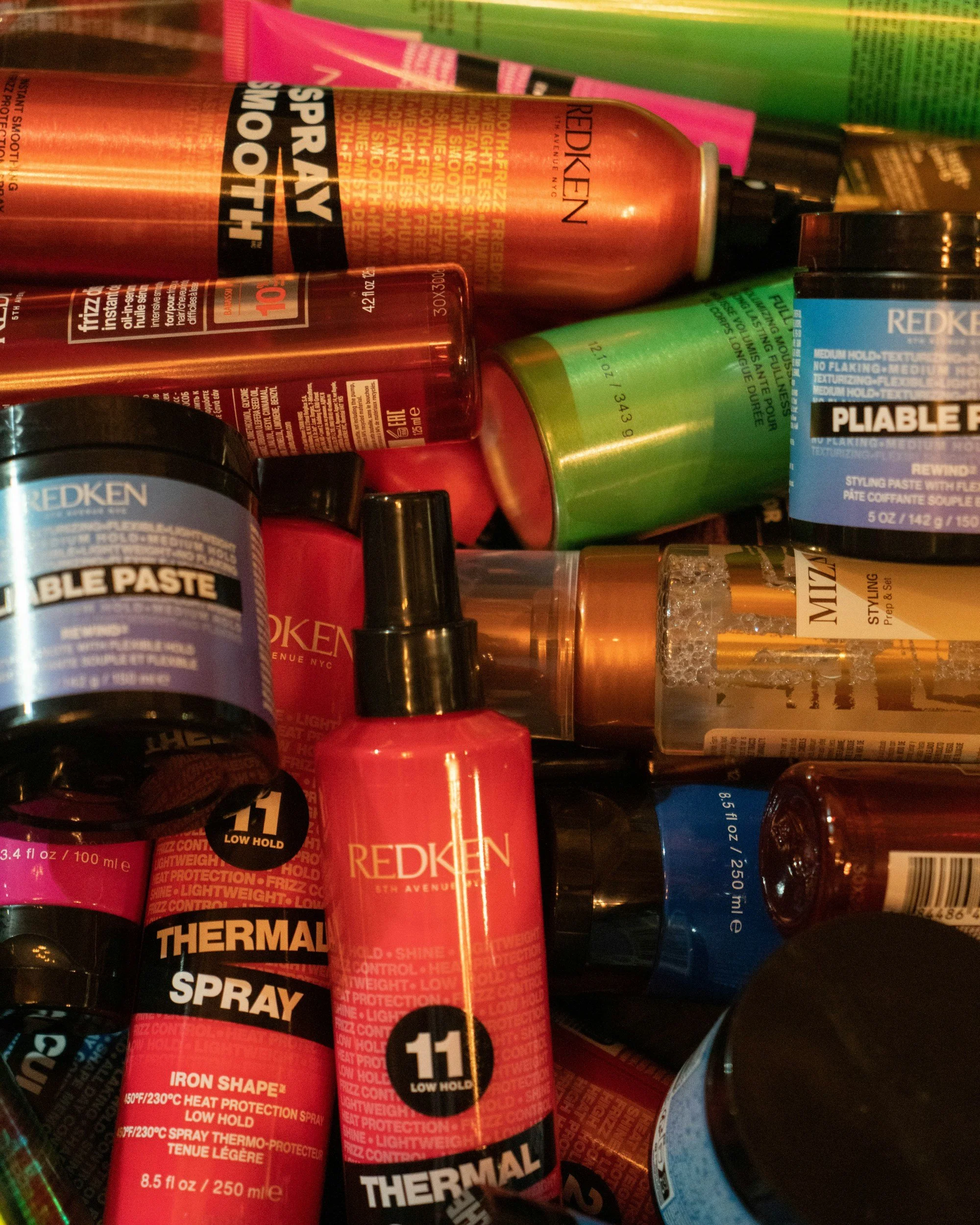
These add shine but can layer up and block moisture. These ingredients are found in products like heat protectants, Smoothing treatments and serums, masks and detanglers.
Heavy Oils & Butters
Examples: Castor Oil, Shea Butter, Mineral Oil
Great sealants—but if applied to dry hair, they trap dryness.
Drying Alcohols
Examples: Alcohol Denat, Isopropyl Alcohol
These evaporate quickly—and can take moisture with them.
(Fatty alcohols like Cetyl or Stearyl are safe.)
Polyquaterniums (Polyquats)
Common in gels and detanglers—can build up and create stiffness.
Hard Water Minerals
Calcium and magnesium in shower water can coat hair and reduce absorption.

🔄 When to Reset
If your hair feels:
Coated
Dry despite moisturizing
Stiff or heavy
It may be time for a clarifying shampoo to remove buildup and start fresh.
✨ The Bottom Line
A clean scalp encourages growth.
Clean hair absorbs moisture.
Buildup blocks both.
Healthy hair doesn’t come from skipping shampoo—it comes from intentional cleansing, balanced moisture, and consistent care.
🌱 Healthy hair is grown, not guessed.